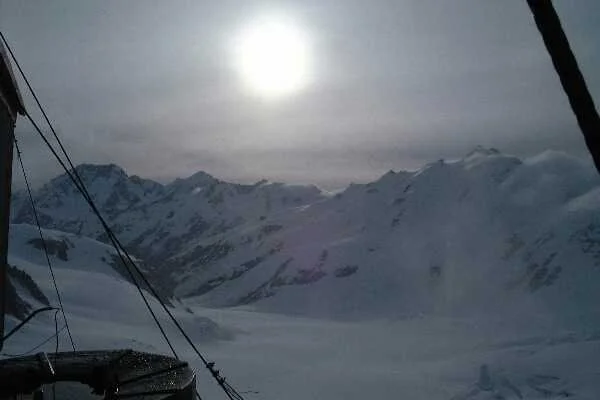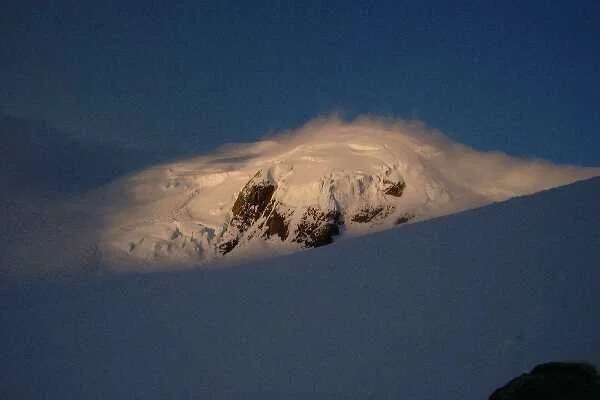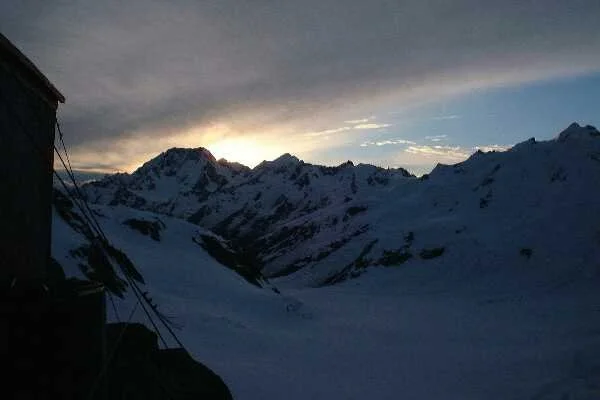
A Wellington Alpine Club expedition to Tasman Saddle Hut in November 2001 encountered persistent poor weather and challenging glacier conditions. The team initially attempted to acclimatize by hiking toward Mt Aylmer, navigating through whiteout conditions that required GPS and compass work to locate their hut.
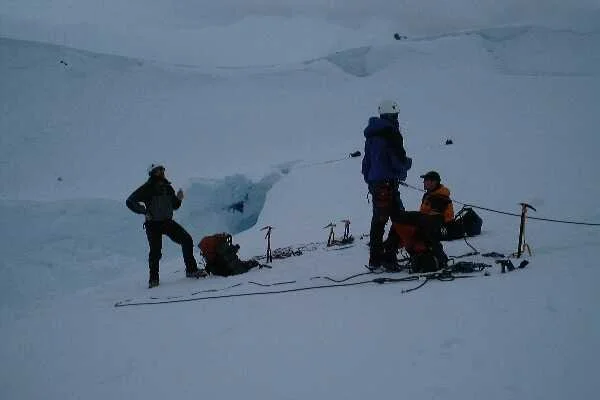
Weather deteriorated further on the second day, prompting the group to practice crevasse rescue techniques using pulleys and ice climbing skills. During these activities, team member Adam fell into a hidden crevasse, becoming wedged to his shoulders before being successfully extracted through coordinated rescue efforts.
The expedition experienced multiple weather-related delays spanning four days. Team members attempted various strategies, including a glacier walk-out option that ultimately proved unviable due to hazardous conditions. They spent considerable time at the hut, studying available literature and conducting “The Great Autoblock Challenge” — a competitive training exercise between an Australian-Scottish team and four New Zealanders exploring different crevasse-extraction rope systems.
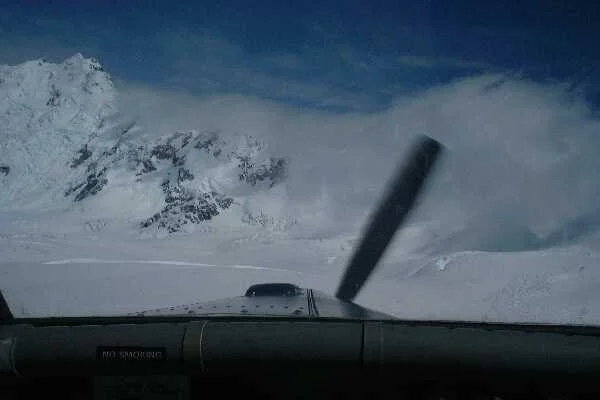
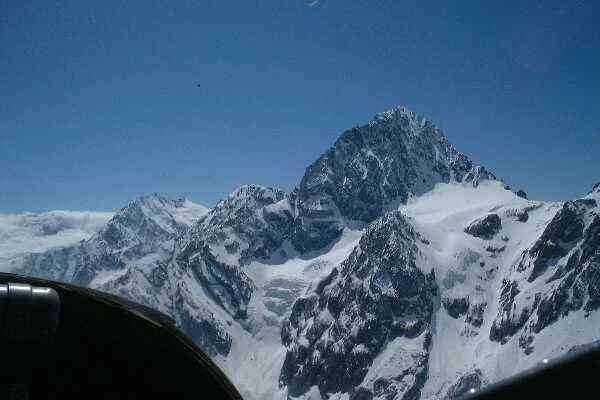
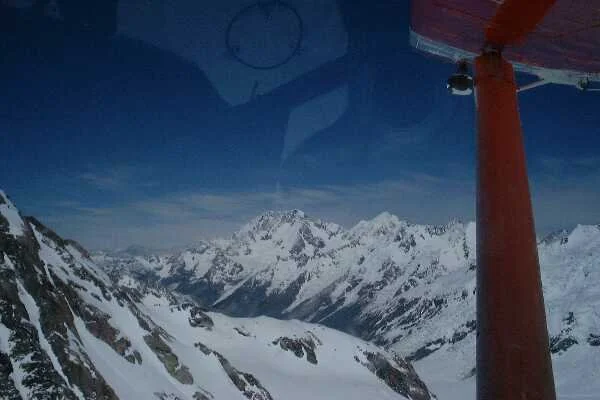
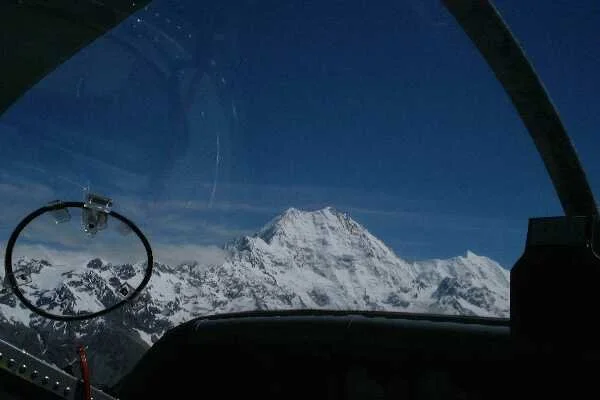
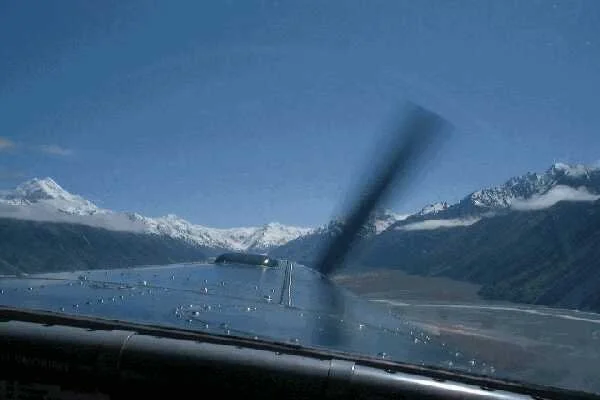
After extended waiting, the group finally secured helicopter evacuation on an Alpine Guides Ltd charter. The flight revealed significant glacier terrain transformation caused by high freezing levels and rain. As the author notes, “the rain and high freezing level had opened up the terrain in what I would call Crevasse Central,” creating visually dramatic but treacherous conditions as they departed.